
Did you know that around 75% of jobs are filled through the hidden job market? (**source**)
That means most opportunities are never publicly advertised.
So how do people land these roles? Through connections. Whether it’s insider tips, referrals, or being in the right room at the right time - networking can unlock doors you didn’t even know existed.
And even for advertised roles, networking often gives you a serious edge.
*But how do we network with integrity and without feeling fake?*
The answer: Akhlaq, sincerity, and intention. Treat networking as a form of relationship-building for the sake of good- not self-promotion.
A Reminder on Akhlaq (Character)
“…إِنَّ مِنْ أَحَبِّكُمْ إِلَىَّ وَأَقْرَبِكُمْ مِنِّي مَجْلِسًا يَوْمَ الْقِيَامَةِ أَحَاسِنَكُمْ أَخْلاَقًا”
“The most beloved of you to me and the closest to me on the Day of Judgment will be those of you with the best character.”
Every time you reach out to someone, attend an event, or ask for advice - you’re not just representing yourself. You’re representing your values. Your adab (manners) and sincerity will leave a far deeper impression than any polished CV ever could.
Work Smarter Not Harder: Aminah vs Zaynab
Aminah applies to 50 graduate jobs, tailoring every application and pouring hours into her job search- but hears nothing back. Zaynab has a chat with a guest speaker at an event, follows up on LinkedIn, and a few weeks later, lands an internship through that new connection. She never even appliedin the traditional way.Networking doesn’t replace effort - it multiplies your effort.
Let’s break down two practical and high-impact ways to start building connections.
1. Coffee Chats
A coffee chat is a short, informal conversation with someone working in a field or company you're interested in. It’s not a job interview - it’s a chance to learn, gain insights, and build authentic professional relationships.
These chats can give you insider knowledge that makes your future applications more tailored, confident, and strategic.
Step 1: 𝗙𝗶𝗻𝗱 𝘁𝗵𝗲 𝗿𝗶𝗴𝗵𝘁 𝗽𝗲𝗼𝗽𝗹𝗲
Use LinkedIn, professional networks (check out our directory), or event attendee lists.
Focus on:
- Alumni from your course or university
- People in roles or companies you're targeting
- Speakers from career panels or events you’ve attended
Try searching:
- “[Company] + [University]” on LinkedIn
- Job titles like “Analyst at PwC” or “Trainee Solicitor at Linklaters”
- Use LinkedIn’s Alumni Tool (super underrated)
Step 2: Reach Out Effectively
Send a short, polite message introducing yourself, mentioning what you’re curious about, and asking for a quick 15–20 minute chat.
Don’t worry if not everyone replies - this is normal. Be consistent and respectful. Remember too that people often have busy schedules.
Useful Templates:
Step 3: Have a Meaningful Conversation
Focus less on impressing them - and more on learning from them. People respond well to genuine curiosity and good questions.
Top Tip: Be Present
Remember to be interested, not just interesting. You are there to learn so don’t be afraid to ask questions and remember to give people your full attention when talking to them.
Sample questions to ask:
- Could you give me a 2-minute overview of what working in [division] typically involves?
- What aspects of the application process did you find most challenging, or what do you wish you had prepared for differently?
- What do you find most rewarding about your role at XYZ company?
- What are the main challenges that you and your team encounter in your role?
- Would you be willing to connect me with others in this field who might share additional insights?
Step 4: Follow Up
Aim to thank them within 24 hours and highlight something specific you appreciated from the conversation. This small act is often what turns a chat into an ongoing connection and makes it easier to ask for something in the future like a referral.
Example follow-up lines:
- “I’ll look into [X resource or advice you gave] and let you know how it goes.”
- “Would it be okay if I check in later this term once I’ve made some progress with [X task]?”
- “Was really nice to connect today! If anyone else comes to mind who I could speak to about [X topic], I’d be grateful for an intro.”
2. Career Events & Networking Opportunities
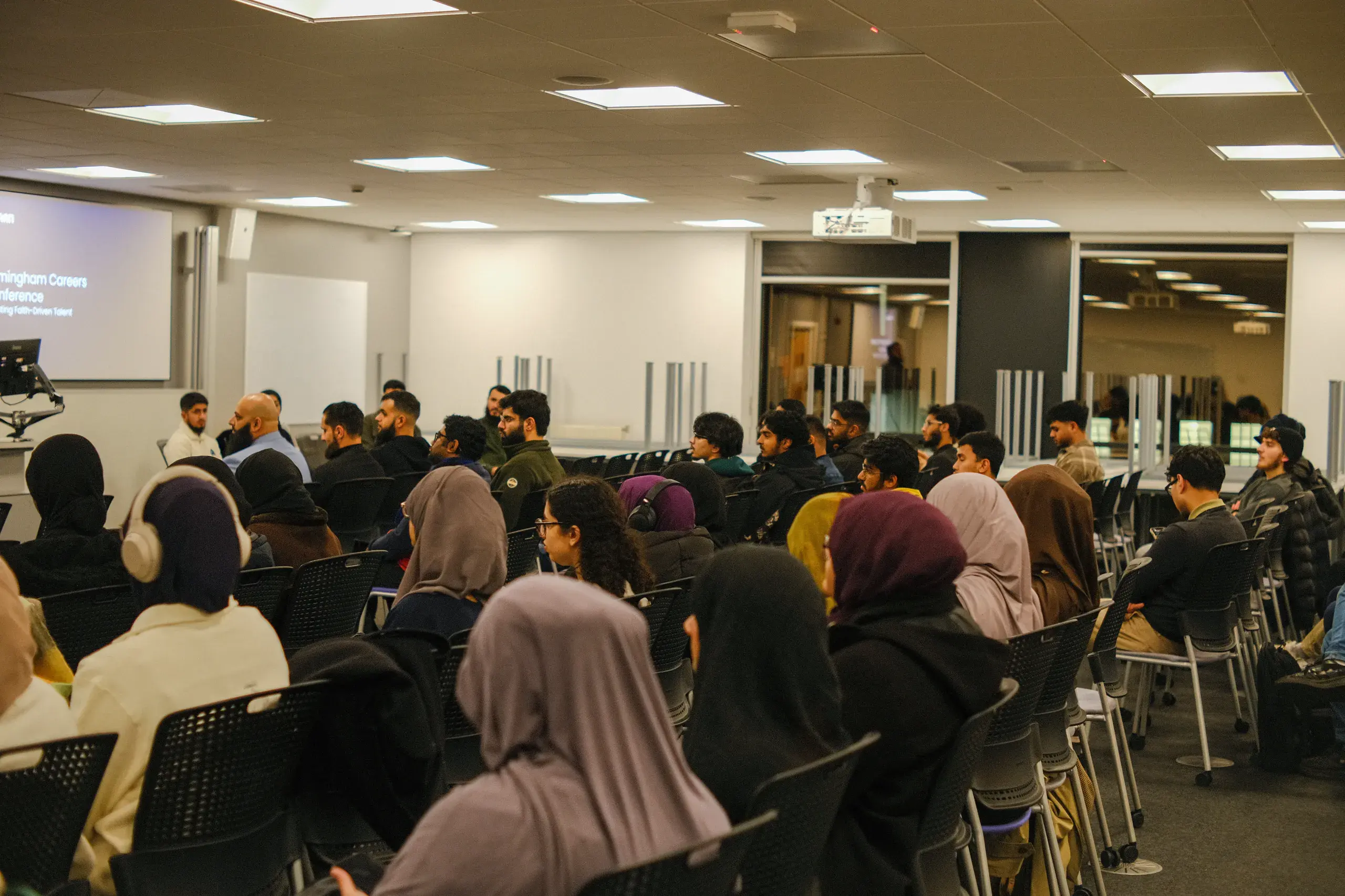
Career events are one of the best places to build multiple connections quickly. These are often advertised on company websites or via your university careers service and provide a perfect opportunity to develop relationships with professionals in your desired industry.
Events include:
- Career fairs
- Employer presentations
- Insight days
- Student conferences
- University alumni meetups
Here are three key steps to help you get the most out of career events (and stand out):
Step 1: Have an Elevator Pitch Ready
This is a 30–60 second intro that covers:
- Who you are (course, year, interests)
- What you’re exploring (career path, sector, company)
- Why you’re interested (genuine curiosity or mission alignment)
Example:
“Hi, I’m Samira, a second year Politics student at LSE. I’ve recently developed an interest in public policy consulting, especially around social impact. I saw you’ve worked in both policy and strategy roles, and I’d love to hear more about how you made that transition.”
Step 2: Do Your Homework
Before the event:
- Look up the attendees or firms in advance
- Have 1–2 thoughtful questions ready for each
- Keep your LinkedIn updated and open to connect
Questions you can ask:
- “What kind of candidates thrive in your company’s culture?”
- “How does your team approach mentorship or growth for new grads?”
- “What’s one thing students often overlook when applying to your firm?”
Step 3: Build a Relationship After the Event
After your conversation:
- Send a short thank you message (mention something specific)
- Connect on LinkedIn
- Follow up after applying or acting on their advice
Examples of staying in touch:
- “Just wanted to thank you again - I applied to [role] and your advice made a big difference.”
- “I saw your post on [topic] - really insightful, especially the part about [X].”
- “Would love to reconnect in a few weeks after [exam season / application deadline] if you’re open to it.”
Build, Don’t Just Collect
Networking isn’t about collecting business cards or contacts - it’s about building authentic relationships over time.
Here’s how:
- Update them when you take action on their advice
- Congratulate them on career moves or achievements
- Share articles or opportunities related to their interests
- Occasionally ask for further insight or feedback